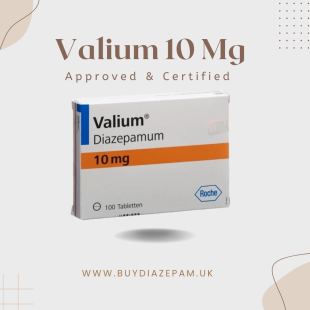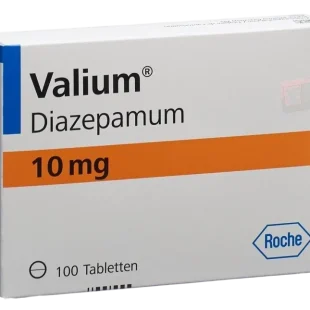


Roche Diazepam 10mg

Roche Diazepam 10mg
£13.00
Strength, Quantity
10mg/ 10
Add to cart
Stress affects millions every day. The World Health Organization reports that anxiety disorders touch nearly 301 million people worldwide. Doctors often prescribe safe medicines to manage such conditions. Roche Diazepam is one of the most trusted choices.
A medical expert once said, “Diazepam has stood the test of time.” Its long history proves how doctors continue to rely on it for patients needing calm and control.
What Is Roche Diazepam?
This medicine belongs to the benzodiazepine group. It works by calming unusual activity in the brain. Many doctors prescribe it for anxiety, muscle spasms, seizures, and alcohol withdrawal.
Each tablet provides steady relief. Patients often feel effects within one hour. The calming impact may last several hours, depending on dosage and health conditions.
How It Works?
Diazepam increases the action of a brain chemical called GABA. GABA slows brain signals that cause stress, fear, or tension.
A study published in The Journal of Clinical Psychiatry found that diazepam reduces anxiety quickly and helps maintain stability when used as prescribed.
The mechanism is simple: it makes the brain less active, allowing the body to rest.
What are the Medical Uses?
Anxiety Relief
Doctors use it to treat both short-term and ongoing anxiety. Patients report feeling calmer, less restless, and more focused.
Muscle Spasms
It helps relax stiff or tight muscles. One review explained, “Diazepam lowers muscle tone by acting on spinal reflexes.” This makes it useful after accidents, injuries, or surgery.
Seizure Control
Doctors sometimes add diazepam to treatment for epilepsy. It reduces abnormal brain activity that causes seizures.
Alcohol Withdrawal
Quitting alcohol suddenly can trigger shaking, sweating, or seizures. Diazepam eases these dangerous effects, giving patients a safer recovery.
Dosage and Use
Doctors usually start adults with 2mg–10mg, two to four times daily.
Always follow instructions closely. Adjustments depend on your response.
No. Stopping quickly may cause headaches, sleep problems, or worse.
Take it soon, but skip if the next one is near.
Never. Doubling increases risks and side effects.
What are the Possible Side Effects?
Some effects are mild, while others are more serious.
Mild Effects
-
Drowsiness
-
Dizziness
-
Fatigue
-
Dry mouth
Moderate Effects
-
Confusion
-
Memory issues
-
Poor balance
Serious Effects
-
Breathing problems
-
Allergic reactions
-
Strong dependence with long-term use
Research from Addiction Medicine Journal warns that prolonged, unsupervised use raises dependence risk. Doctors always suggest the smallest effective dose for the shortest period.
Warnings and Precautions
This medicine is not safe for everyone.
-
People with severe liver disease should avoid it
-
Those with breathing disorders or sleep apnea face higher risk
-
Mixing with alcohol or strong painkillers is dangerous
-
Pregnant women should not use unless approved by a doctor
The U.S. Food and Drug Administration highlights risk to newborns if mothers take diazepam during pregnancy.
Safe Storage Tips
-
Store below 25°C in a cool, dry place
-
Keep tablets in original packaging
-
Protect from moisture and direct sunlight
-
Check expiry date before taking
-
Keep away from children and pets
Why Roche Diazepam Remains Popular?
Doctors trust Roche as a pharmaceutical leader. The brand is known for consistent quality. Patients often prefer branded options because they trust the manufacturing process.
The 30-tablet pack is common, allowing a full prescription cycle. It reduces pharmacy visits and helps patients follow treatment more smoothly.
How It Compares?
Diazepam lasts longer than many similar medicines like alprazolam or lorazepam. This means fewer daily doses for patients. Doctors may choose it for steady relief over fast-acting alternatives.
Clonazepam works well for seizures but is less used for anxiety. Diazepam covers both, making it more flexible in treatment plans.
Research and Trust
Roche introduced diazepam in the 1960s. Since then, millions of patients worldwide have used it. A survey in The British Journal of Psychiatry showed diazepam is still one of the most prescribed calming agents in Europe.
As one doctor explained, “The effectiveness of diazepam comes not only from science but also from decades of safe practice.”
Common Questions
How long does it last?
Usually four to six hours.
Can I take it with food?
Yes. Food may reduce stomach upset.
Is long-term use safe?
Doctors advise short-term use to lower dependence risk.
What if I overdose?
Seek emergency help at once. Signs include confusion, extreme sleepiness, or slow breathing.
Please login to post questions
Question: |
Why Roche Diazepam Remains Popular? |
teamajijul |
Answer: |
Doctors trust Roche as a pharmaceutical leader. The brand is known for consistent quality. Patients often prefer branded options because they trust the manufacturing process. The 30-tablet pack is common, allowing a full prescription cycle. It reduces pharmacy visits and helps patients follow treatment more smoothly. |
|
Related products